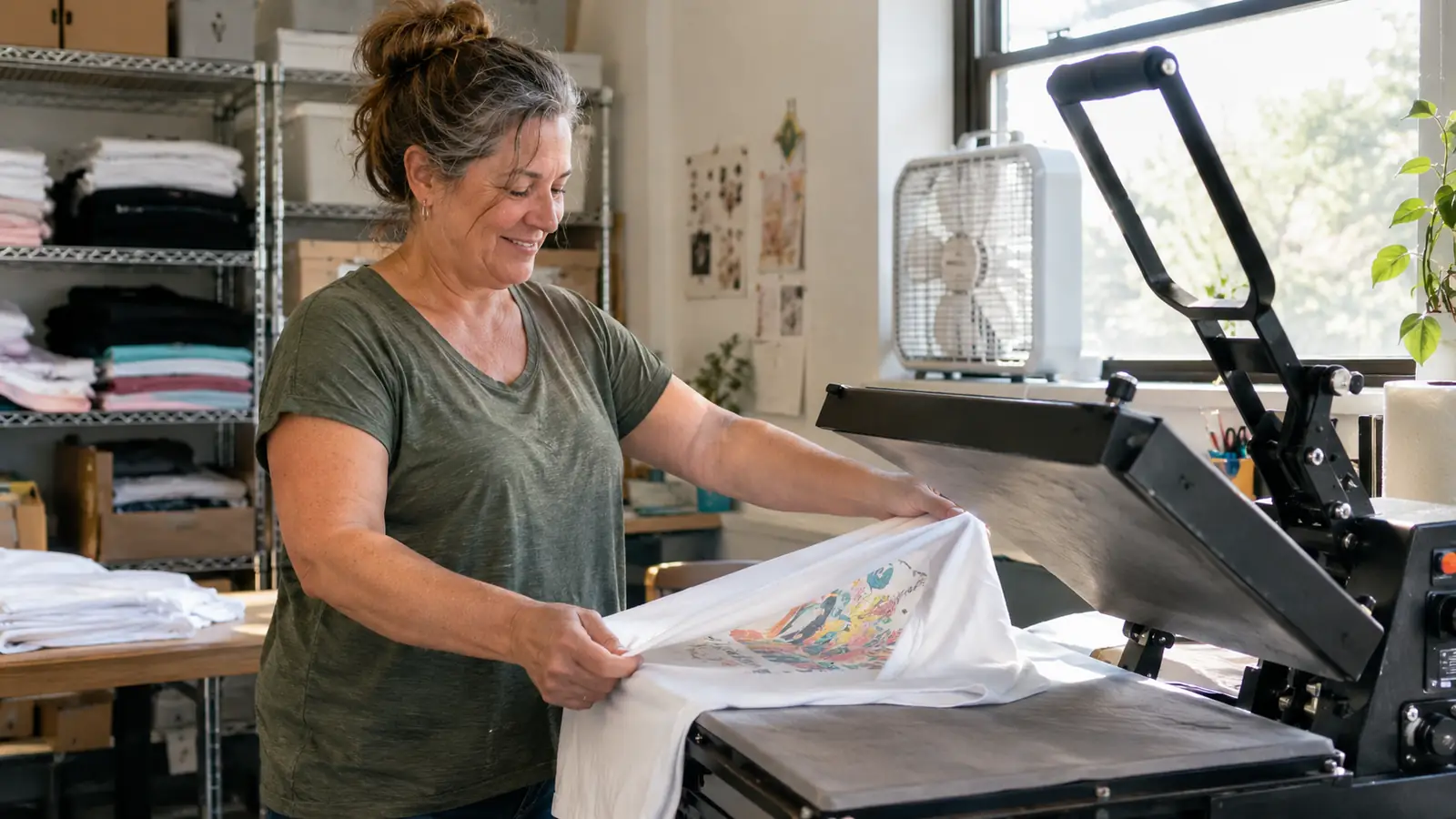
I still remember the first time I pressed a shirt for my grandson Caleb's baseball team and watched the colors come out flat and dusty. I figured the printer was the problem, or maybe the heat press. Then a friend who has been doing this for years asked what paper I was using, and I had to admit I had grabbed whatever was cheapest. That one question changed how I think about the whole process. The paper you feed your sublimation printer is not the boring part of the setup. It is the part that decides whether your colors look like they belong on a shelf or like they were left out in the sun.
I have been running a small heat press and sublimation side hustle out of my spare bedroom in Lincoln for about three years now. Church groups, family reunions, school spirit days, and the fall craft fair keep me busy a few evenings a week. I am not a professional printer and I never pretend to be one. But I have pressed enough shirts, tumblers, and tote bags to know which supplies earn their spot on my wire shelf. A-SUB sublimation paper is one of them. Here are the ten reasons it matters for bright prints.
The paper that made my colors pop
If you are tired of pressing shirts that come out faded and dull, this is the paper I reach for every time. It is the same 8.5x11 sheets I keep stocked next to my heat press.
Amazon Check Today's Price on Amazon →It holds more ink so the color actually transfers
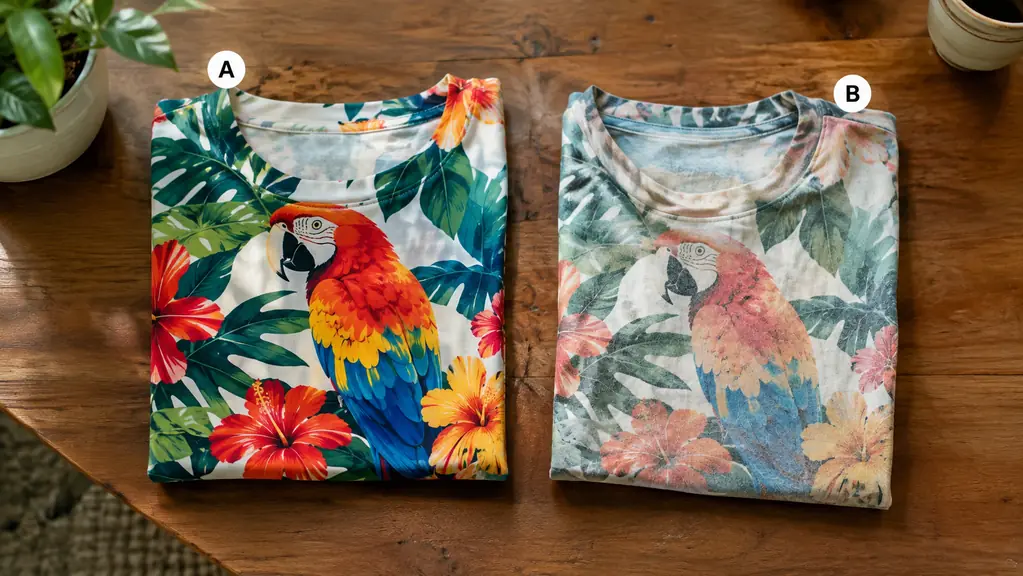
Sublimation paper works by carrying dye from the printed sheet into the fabric when heat is applied. A-SUB's coating is designed to hold a heavy layer of ink without letting it soak through or bleed. That means the dye that lands on the paper is the dye that ends up on your shirt. With cheaper paper, I noticed the printed image looked fine before pressing, then came out washed out afterward. The ink was staying behind on the paper instead of moving into the fabric.
Bright colors stay bright after washing
The real test for me is not the first press. It is the tenth wash. I have a stack of practice shirts I use to test every new batch of blanks, and the ones pressed with A-SUB paper keep their color through repeated washings. The dye is actually bonding with the polyester fibers instead of sitting on the surface. That is the difference between a shirt that looks new at the craft fair and one that looks tired by the second wear.
It cuts down on ghosting and blurry edges
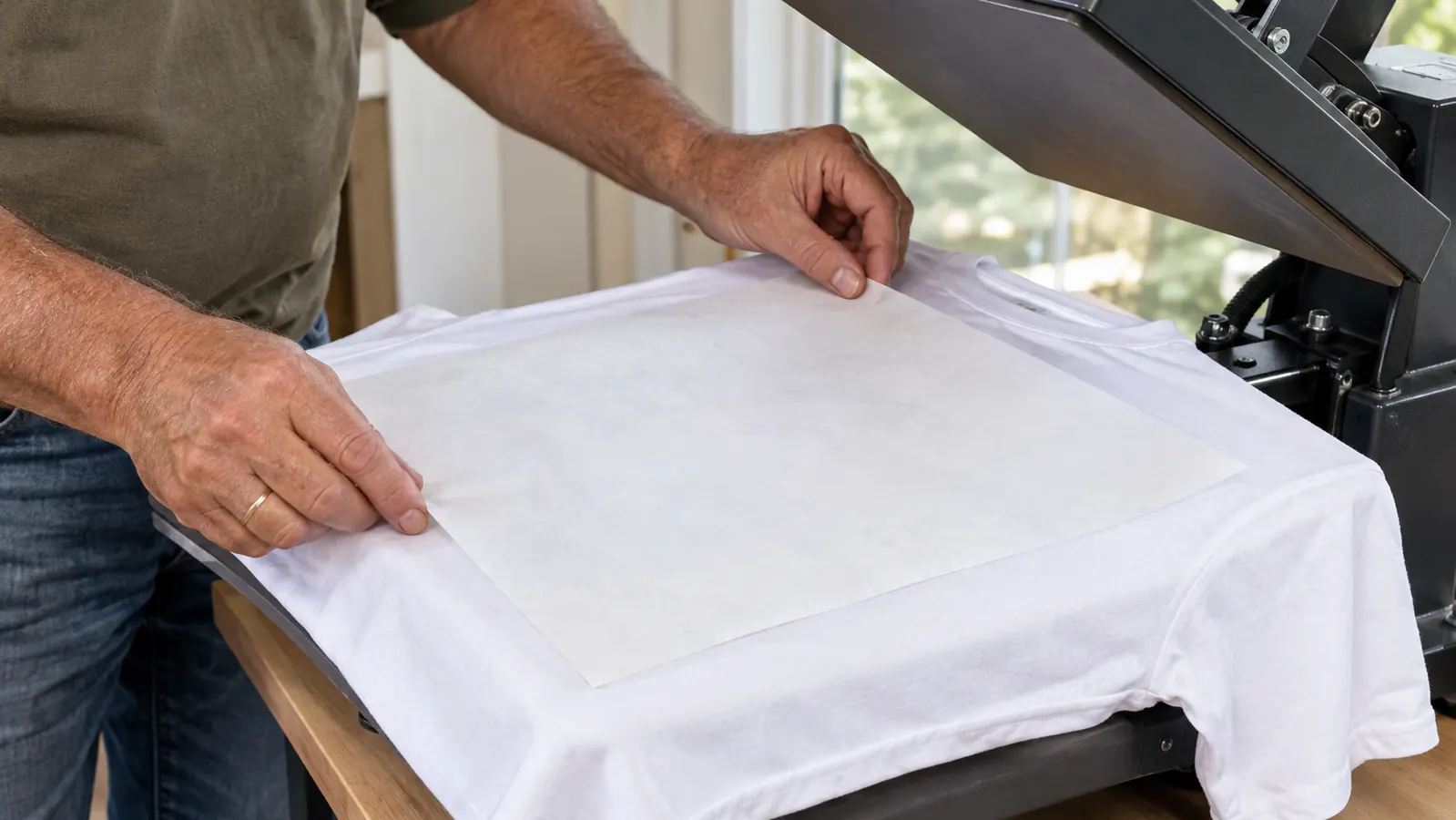
Ghosting is that faint double image you get when the paper shifts during pressing. A-SUB paper has a bit of grip to it, so it stays put when I tape it down on the shirt. I still use heat resistant tape, but I do not have to babysit the paper the way I did with the budget brand I started with. Clean edges matter when you are pressing a church logo or a school mascot, because nobody wants a blurry eagle on their shoulder.
It works with the settings I already use
I did not have to relearn my whole process when I switched. My Epson printer settings stayed the same, and my heat press stayed at the same temperature and time. The paper is forgiving enough that I can press a shirt at 400 degrees for 60 seconds and get a clean result. That matters when you are juggling three orders for a family reunion and do not have time to troubleshoot a finicky paper.
It handles fine details without muddying them
I make a lot of shirts with small text, like the year on the back of a reunion shirt or a name on a tote bag. Fine lines are where cheap paper shows its weakness. The ink spreads just a little and the text turns fuzzy. A-SUB keeps those details crisp. I can read a phone number on a shirt from an arm's length away, and that is the standard I hold my work to.
It saves me from wasted blanks
A blank shirt costs me a few dollars, and a ruined one costs me the whole order if I do not catch it in time. When I used cheap paper, I would occasionally press a full sheet and pull it up to find a faded mess. That is a wasted blank, wasted ink, and wasted time. A-SUB has been reliable enough that I can count the failures on one hand, and most of those were my own fault for not waiting long enough between presses.
It works on mugs, tumblers, and tote bags too
Shirts are my bread and butter, but mugs and tumblers are what people ask for at the craft fair. A-SUB paper handles both. I wrap a printed sheet around a tumbler, tape it down, and press it in my tumbler press. The colors come out just as bright on the curved surface as they do on a flat shirt. That versatility means I only need to stock one paper for everything I make.
It does not curl or jam my printer
Nothing stops a production run like a paper jam. The budget paper I used to buy would curl at the corners after sitting in a humid craft room, and it jammed my printer more times than I care to count. A-SUB sheets stay flat and feed through cleanly. That might sound like a small thing, but when you are pressing ten shirts for a school spirit day, a jammed printer is a ten minute setback you do not need.
It gives consistent results sheet after sheet
Consistency is the thing I value most after three years of pressing. I want the tenth shirt to look exactly like the first one. A-SUB paper is consistent from one sheet to the next, and from one batch to the next. I do not have to adjust my settings halfway through an order because the paper started behaving differently. That reliability is what lets me take on bigger orders without crossing my fingers.
It makes my work look professional enough to sell
At the end of the day, the reason I care about paper is that my customers do not know or care what paper I use. They just know whether the shirt looks good. A-SUB paper is the difference between a shirt that looks homemade and one that looks like it came from a shop. When someone at the craft fair asks if I have a card, that is the moment I know the print quality did its job.
What I'd Skip
If you are just starting out and only pressing a few shirts for your own family, you can get away with a cheaper paper while you learn the basics. I did, and I do not regret it. But if you are selling your work, even a little, the cost of wasted blanks and disappointed customers adds up fast. I would also skip any paper that does not tell you the weight on the package. The 125g weight of A-SUB is part of why it handles ink the way it does, and a paper that hides that number is usually hiding something else.
The paper you feed your sublimation printer is the part that decides whether your colors look like they belong on a shelf or like they were left out in the sun.
Start with the paper that works
Whether you are pressing your first shirt or your five hundredth, the paper matters more than any other supply on your table. A-SUB is the brand I keep coming back to, and the 110 sheet pack lasts me through plenty of orders.
Amazon Check Today's Price on Amazon →