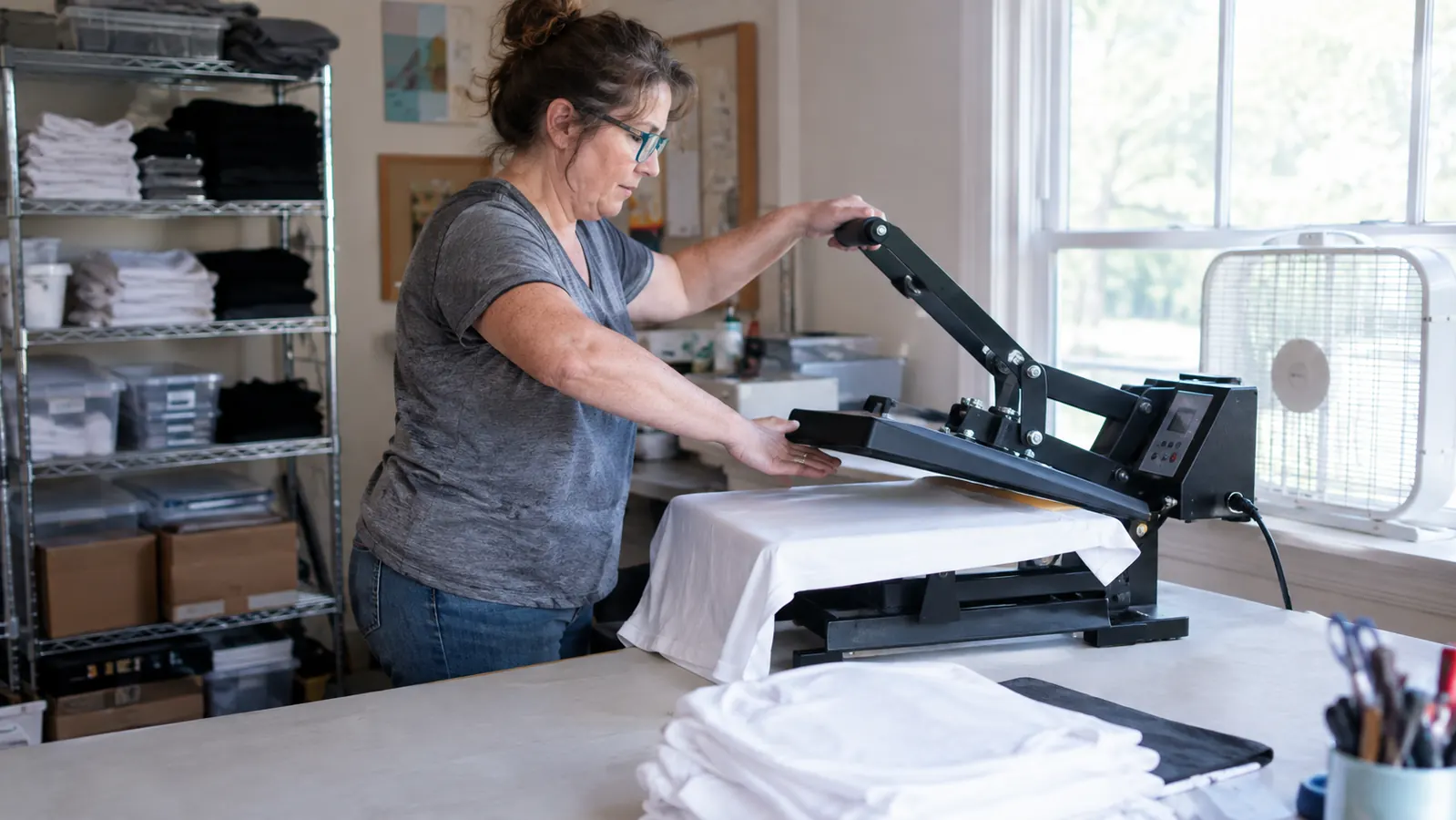
If you have been pressing shirts for a while, you have probably stood in the craft aisle staring at two stacks of sublimation paper and wondering if the expensive one is really worth it. I am Darla, and I have been running a small heat press side hustle out of my spare bedroom in Lincoln for about three years. I started pressing shirts for my grandson Caleb's youth baseball team, and somewhere along the way I became the person friends ask about paper. So let me give you the plain answer first: A-SUB sublimation paper and budget paper are not the same, and the difference shows up in the first shirt you press.
I tested both side by side over several weeks, using the same printer, the same heat settings, the same blanks, and the same designs. A-SUB is the paper I keep coming back to, but I am not going to pretend budget paper has no place. It does. You just need to know what you are giving up.
| A-SUB Sublimation Paper | Budget Paper | |
|---|---|---|
| Print clarity | Crisp edges, smooth gradients, no banding on detailed designs | Slightly grainy in large solid areas, occasional light banding |
| Color pop after press | Bright, saturated colors that hold after washing | Colors look a little flat, especially on lighter designs |
| Ghosting and bleed | Rarely any ghosting when I tape the sheet down | More bleed on fine text, needs extra care with tape |
| Curling | Lies flat after printing, easy to handle | Curled at the corners more often, especially in a dry room |
| Price per sheet | Costs more per sheet, but fewer wasted blanks | Cheaper per sheet, but I wasted more shirts learning its quirks |
| Best for | Gifts, orders, anything you cannot afford to ruin | Practice prints, test designs, kids' craft projects |
Where A-SUB Wins
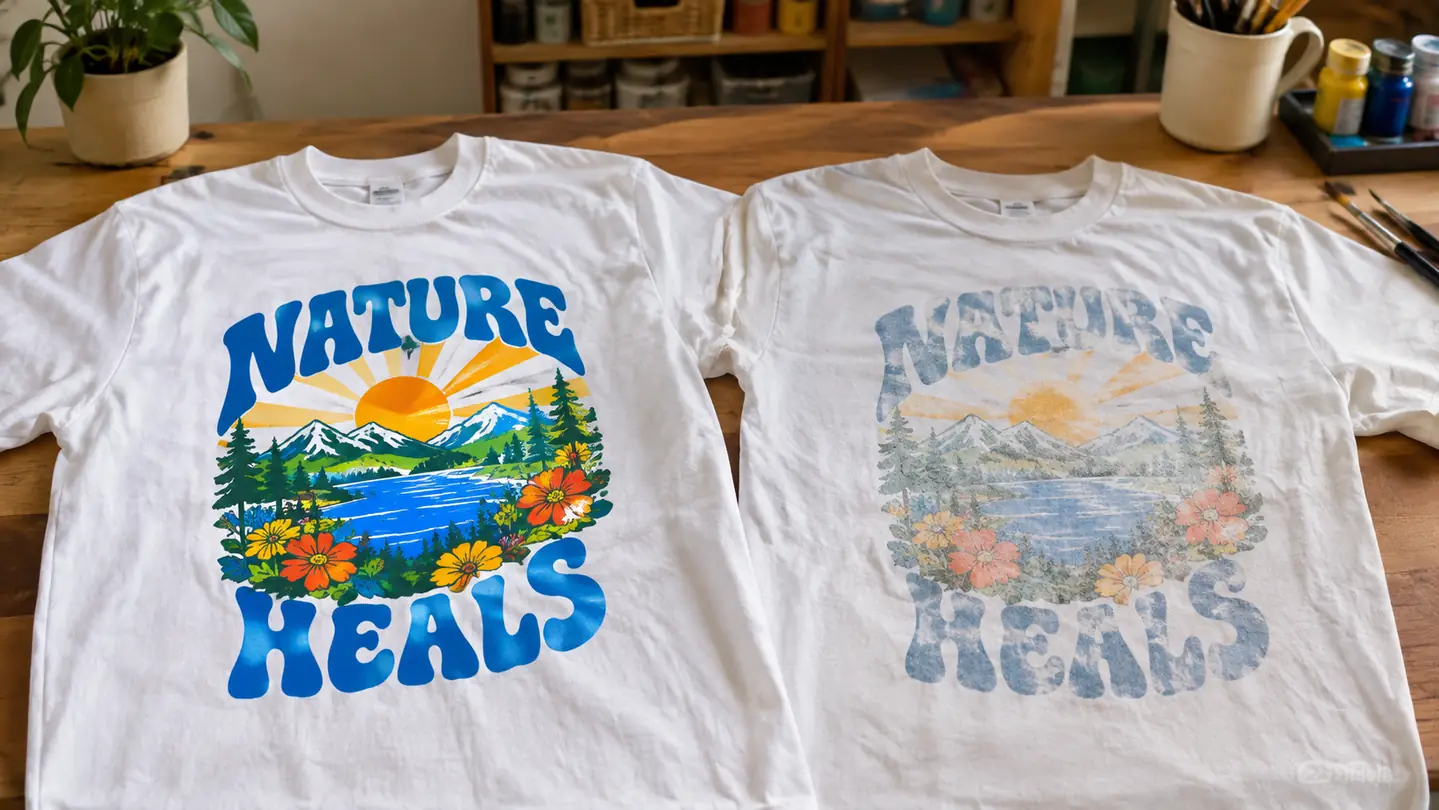
The biggest difference I noticed was in the colors. When I pressed a design with a sunset gradient onto a white shirt using A-SUB, the colors came out rich and smooth. The same design on budget paper came out a little washed, like the printer had run low on ink even though it had not. That matters when you are making a shirt for a church group or a family reunion, because people notice when a color looks off.
A-SUB also handled fine details better. I pressed a tote bag with a small text logo, and the letters stayed sharp. On budget paper, the same text looked slightly fuzzy, and I had to redo it. When you are selling at a fall craft fair, you do not have time to redo things. You want the first press to be the one that goes in the bag.
I printed a page of small test lettering on both papers, from big block letters down to text about a quarter inch tall, and pressed them onto two white polyester shirts at the same time and temperature. On the A-SUB shirt every letter was readable, even the smallest line. On the budget paper shirt the small letters had soft, fuzzy edges, as if the ink had spread a little before it transferred. It was not a disaster, but it was the kind of thing a customer would notice up close.
Let me give you a specific example from my own table. In early September I made twelve shirts for a church picnic, all with the same design: a small cross and the date in a script font. I printed six on A-SUB and six on budget paper, using the same file, the same printer settings, and the same 400 degree press at 45 seconds. The A-SUB shirts looked like the design on my screen. The budget paper shirts looked like the ink had faded a shade, and the script had a faint halo around each letter. I gave the budget paper shirts to my husband Ron to wear for yard work, and I pressed the A-SUB set over. That was the afternoon I stopped pretending the difference was in my head.
The other place A-SUB earns its keep is on dark or tricky blanks. I do a lot of tumblers for family reunions, and a tumbler is a curved surface that does not forgive a weak transfer. With A-SUB, the design wrapped around the curve with clean edges. With budget paper, I got a soft spot where the paper lifted just a hair in the middle of the press. I have learned to tape budget paper down tighter, but I should not have to fight the paper to get a clean result.
Let me add one more test I ran, because it changed how I stock my shelf. In mid-October I pressed the same navy blue monogram onto six white dish towels, three on A-SUB and three on budget paper, at 385 degrees for 40 seconds. I washed all six in warm water with the same detergent and dried them on the same setting. After the third wash, the A-SUB monograms were still crisp and the navy still looked navy. The budget paper monograms had faded to a dusty blue, and one had a faint white line where the paper had creased during the press. I now use A-SUB for anything that will be washed more than a couple of times, which is almost everything I make.
Start with the paper that does not fight you
A-SUB sublimation paper gives you bright colors and clean details on the first press, which means fewer ruined blanks and fewer do-overs. That is the whole game when you are working from a spare bedroom.
Amazon Check Today's Price on Amazon →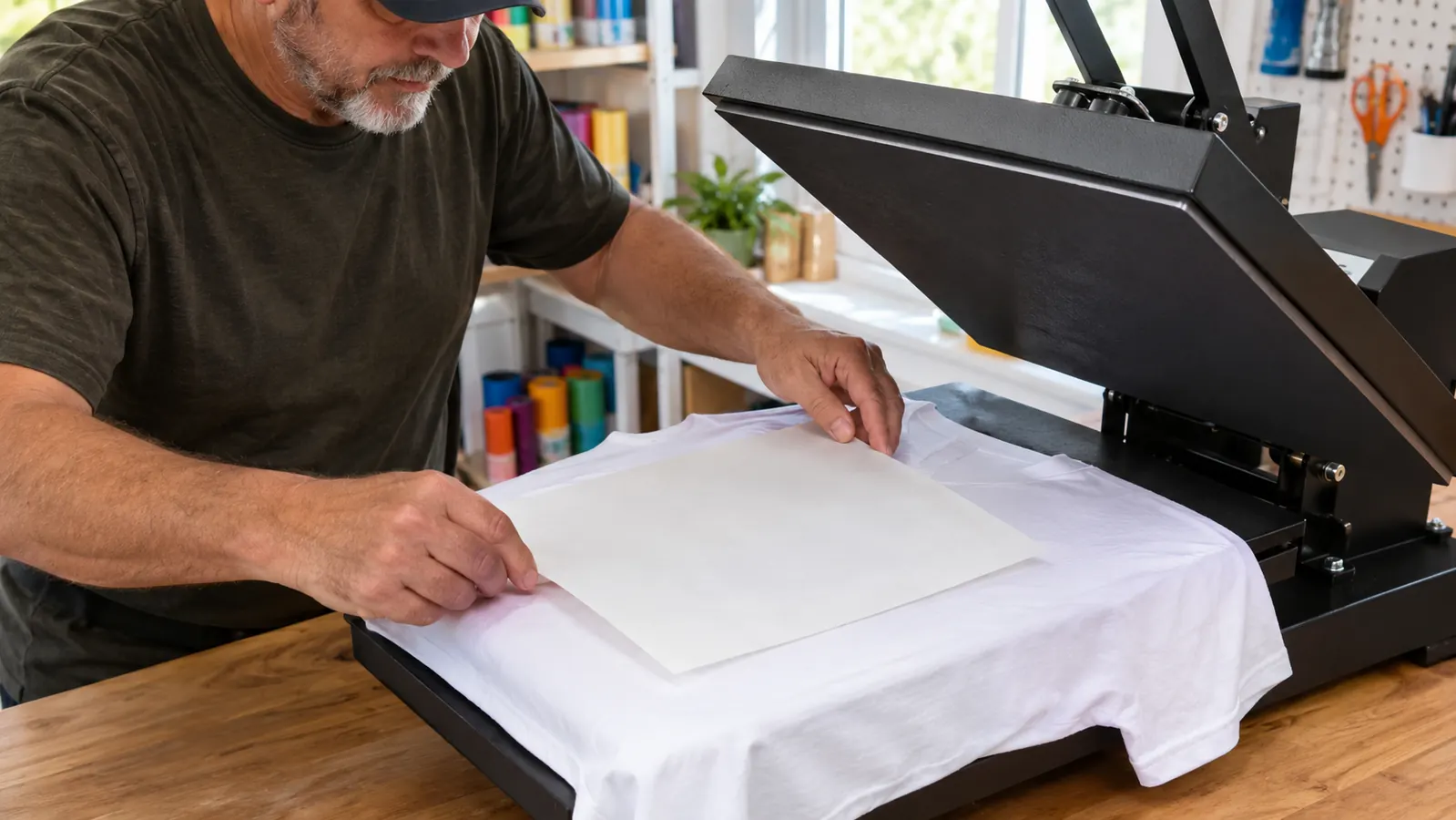
Where Budget Paper Wins
I am not going to tell you budget paper is worthless, because it is not. It is cheaper per sheet, and that matters when you are testing a new design or letting a kid make a practice shirt. I keep a stack of budget paper around for exactly that. When I am trying out a new font or a new placement, I do not want to burn a good sheet on a maybe.
Budget paper also taught me to be a better presser. Because it ghosted and bled more easily, I had to be careful with tape, pressure, and timing. That discipline carried over to everything else I do. So if you are brand new and you have a tight budget, starting with budget paper is not a mistake. Just know that the learning curve is steeper, and the results will not be as bright until you switch.
It also showed me how much the paper matters to drying time. Budget paper often came out of the printer slightly damp, and if I pressed it too soon, the colors blotted. I learned to give each sheet a few minutes to dry before pressing. A-SUB dries faster in my craft room, and I can usually press within a minute or two of printing, which matters on a night when I am working through a dozen shirts.
Here is the honest math from my own craft room. A pack of budget paper costs less than half of what A-SUB costs per sheet, and when I am pressing a design for the third time just to see if I like the placement, that difference adds up fast. Last month I printed the same sunflower design on budget paper four times before I settled on a size. None of those test prints went on a shirt that left my house, and I did not feel guilty about any of them. That is the real job of budget paper in my setup: it is my scratch paper.
Budget paper has one more advantage that surprised me: it is more forgiving when you are learning to print. A-SUB is a thirsty paper, and it wants the right ink settings and the right amount of time in the printer. Budget paper is a little more laid back. If I set the print quality one notch lower by accident, budget paper still gave me a usable image for a practice run. A-SUB showed every missed setting. So for a true beginner who is still figuring out their printer, budget paper can be a gentler place to start.
I should also mention that budget paper has gotten better over the years, and the gap is not as wide as it used to be. A few brands now lie flatter and ghost less than the budget paper I bought when I first started. But in my experience, the cheaper sheets still dry out faster once the pack is open. I keep mine in a zipper bag with a desiccant packet, and even then, a pack that has been open for three weeks curls more at the corners than a fresh pack of A-SUB. If you only press once a month, that is something to think about, because a half-used pack of budget paper can be harder to handle than a fresh one.
Who Should Buy Which
If you are making things to sell, to gift, or to keep, buy A-SUB. The difference in color and detail is worth the extra cost, especially when you count the blanks you will not ruin. If you are practicing, testing, or crafting with kids, budget paper is fine. You will learn the same skills, and you will not feel bad about the mistakes.
My rule of thumb is simple: use budget paper when the outcome does not matter, and use A-SUB when it does. Most of my orders now go out on A-SUB, and I sleep better knowing the colors will look right when the customer opens the package.
In practice that means my budget paper lives in a separate folder marked practice. I use it to test a new design's size on the shirt, to check a color layout, or to try a new blank I have not pressed before. Once I know the setting works and the design is right, I print the final on A-SUB. That way I am never wasting good paper on a test, and never trusting a customer's shirt to paper I already know is less consistent.
Let me walk you through a real order so you can see how I decide. A few weeks ago a woman from my church asked for eight tote bags for a ladies retreat, each with a different name in a cursive font. That order went on A-SUB, no question, because a name is the one thing you cannot afford to blur. The week before, Caleb wanted to make a shirt for his friend's birthday, and we printed that one on budget paper because it was a practice run and he was learning to tape the sheet down. Same press, same printer, different paper, different stakes. That is the whole decision in one story.
One more thing I would tell a friend just starting out: buy one pack of A-SUB and one pack of budget paper, and do your own side by side. Press the same design on the same blank with the same settings, then wash both shirts a few times and see which one you would rather hand to a customer. That test will tell you more than any review, including this one. For me, A-SUB won that test, and it has been my go-to paper ever since.
Keep the leftover sheets of both in a zip bag with a dry paper towel, too. Sublimation paper picks up humidity in a spare bedroom in the summer, and damp paper of any brand gives you muddy color.
Make your next press the one that counts
Whether you are new to sublimation or you have been at it for years, A-SUB sublimation paper is the reliable choice for bright, clean prints. Grab a pack and see the difference on your very next shirt.
Amazon Check Today's Price on Amazon →