Three years ago, my grandson Caleb came home from baseball practice and announced the team needed shirts. Not the plain kind. The kind with his number on the back and the team name across the front. I priced out a print shop, winced, and started watching videos about heat presses instead. That is how a former cafeteria manager from Lincoln, Nebraska, ended up with a Fancierstudio 15x15 heat press on a folding table in her spare bedroom, and it is also how I learned most of what those videos leave out.
This is the review I wish I had read before I clicked buy. Not the one that says every press is wonderful and your side hustle will run itself. The one that tells you about the first scorched shirt, the timer you will forget to set, and the afternoon you will spend wondering why your transfer peeled. I have made all of those mistakes so you can skip a few of them. If you are trying to decide whether this is the right first press, or whether you should spend more for a fancier name, here is what I can tell you from a spare bedroom in Nebraska, not from a marketing department.
The Quick Verdict
A solid first press that does real work once you accept the learning curve. It is not the fanciest tool in the craft room, but mine has earned its spot on the table after three years of regular use.
Amazon Check Today's Price →The 15x15 press I still reach for on every order
If you are comparing first heat presses and want one that handles shirts, totes and tumblers without emptying your start-up budget, this is the one I would buy again.
Amazon Check Today's Price on Amazon →How I've Used It
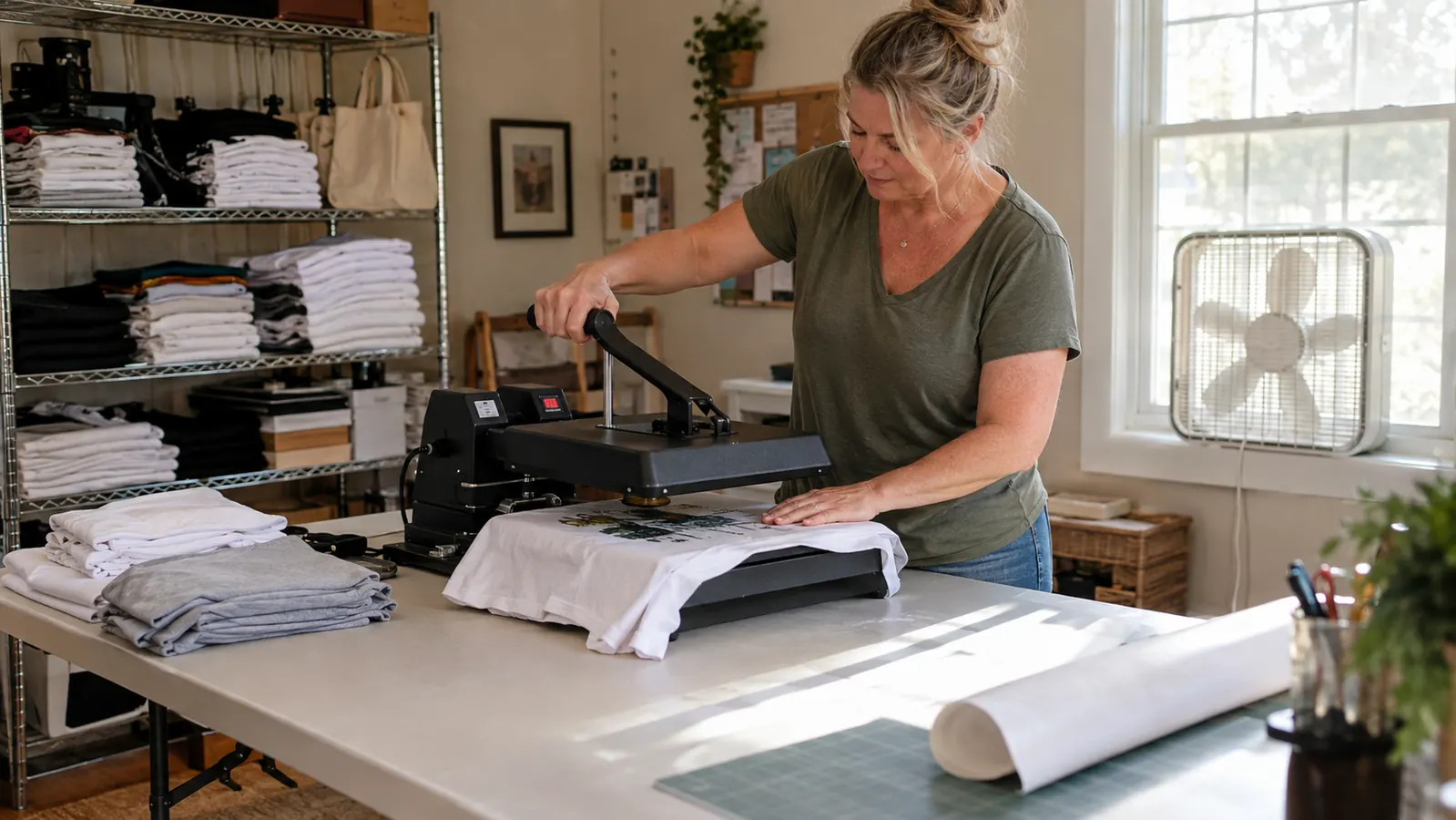
Here is my setup, so you know where this review comes from. The press lives on a long folding table in the spare bedroom I turned into a craft room. There is a wire shelf of blanks beside it, a box fan in the window, and a laundry basket for shirts waiting their turn. Ron, my husband, retired, has learned to step around that basket.
Those first team shirts were a mess in the best way. Caleb's number came out crooked on the first try, and we all wore the mistake to practice anyway. By the third batch, the numbers were straight and the names were centered. That is the honest timeline: not one perfect evening, but a steady climb over a few weekends.
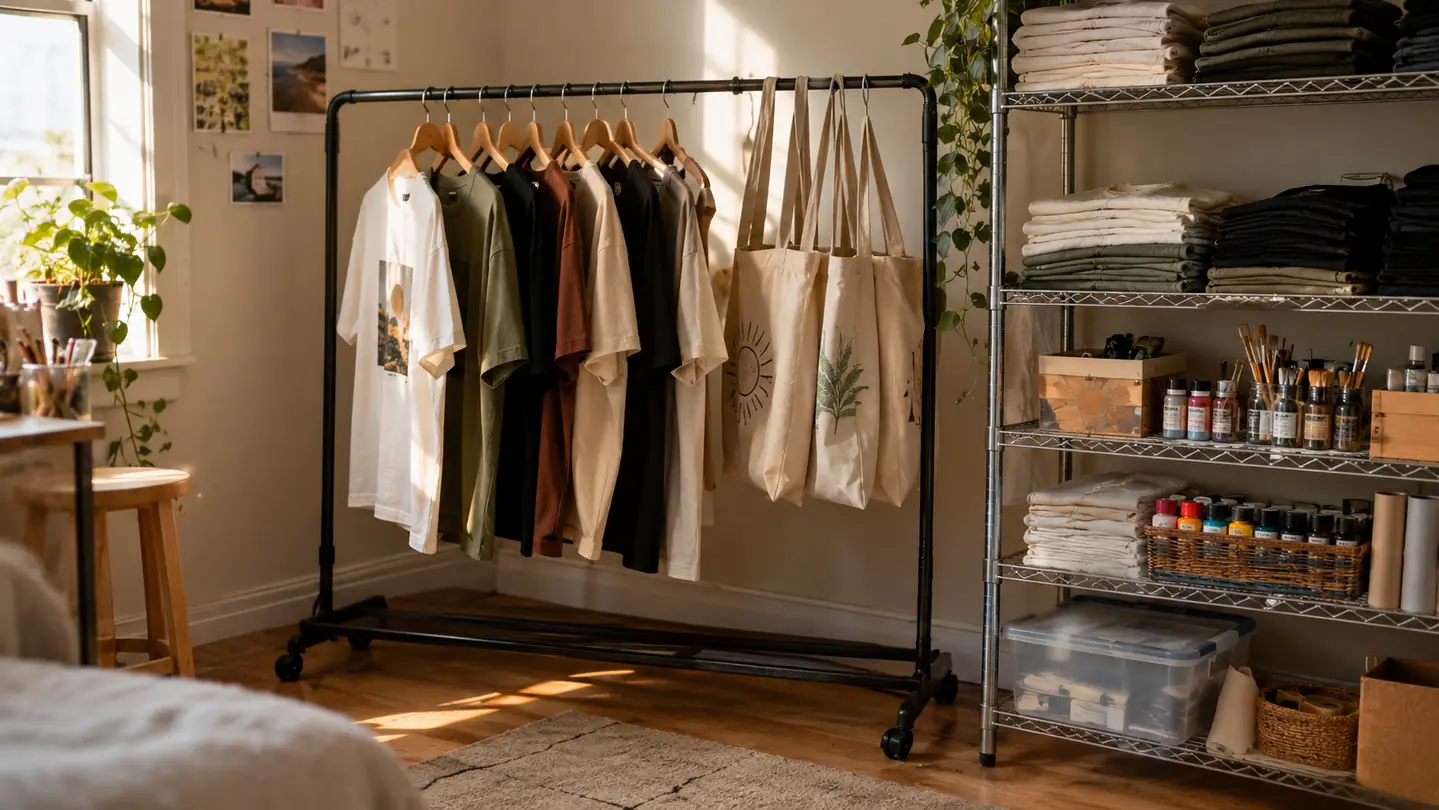
I have used this press for three years on cotton tees for church groups and school spirit days, on polyester tumblers for family reunions, on canvas totes for the fall craft fair, and on a few mugs that taught me patience. Most of my orders are small, a few pieces at a time, which matters more than you might think when you are choosing a press. A 15x15 platen covers an adult shirt and a lot of totes, and it fits on a table that is also holding my cutting mat and a stack of blanks.
Here is what nobody tells you: a heat press is a simple machine that demands a fussy process. The press gets hot and squeezes. The results depend on temperature, time, pressure, and the exact blank you are pressing. The same press that made a beautiful shirt on Tuesday will peel a transfer on Wednesday if you forget to change the settings for a different fabric. That is not the machine's fault, but it is the part of this hobby that the product photos skip.
What Nobody Tells You Before You Buy One
First, the box is heavy and it is not small. You are not setting this up on a bookshelf. Clear a sturdy table, find a spot near an outlet, and get ready to lift. I had to call Ron over for the first setup, and he is not a small man.
Second, the temperature readout is only as honest as your thermometer. The digital display on mine has been close, but close is not good enough when ten degrees decides whether a transfer sticks or peels. I bought a separate thermometer and I check the platen surface every few sessions. That is an extra expense and an extra step, and I would rather you hear it from me than discover it after a ruined batch of blanks.
Also, plan for airflow. Sublimation and some transfer papers have a smell when they heat up, and you will be standing right over the press. My box fan in the window is not decoration. On a busy pressing afternoon, I open the window all the way. It is not a deal breaker, it is just something you do not think about until you are standing in a cloud of warm vinyl.
Third, you will ruin things. I scorched a shirt in my first week because I left the press closed while I answered the phone. I ghosted a tumbler because I did not rotate it evenly. I peeled a transfer because I pressed cotton at the settings for polyester. Every one of those mistakes was mine, not the machine's. But the machine is what you will blame late at night when you are out of blanks.
The Learning Curve Is Real
I want to be fair here, because plenty of reviews make this press sound like it should come with a trophy. The learning curve is real, but it is short, and most of it is about the process rather than the machine.
The press heats up quickly and holds its temperature well once it settles. The timer is simple. The handle takes a bit of muscle, and you will find your own rhythm for how hard to press down. I keep a notebook with the settings that work for each blank: cotton, polyester, the lighter shirts, the thicker totes. That notebook has saved me more shirts than any feature on the press.
Once you learn the routine, the press is boring in the best way. You set it, you wait, you lift, you move on. Boring is what you want from a tool you are trusting with blanks that cost real money. I can press a shirt in under a minute now, start to finish. The first one took me most of an evening.
There are two schools of thought on how hard to push the handle down. Some people say let the weight of the press do the work. Others press down firmly and hold. I have tried both, and I land somewhere in the middle. The important thing is to do the same thing every time, because consistency is what makes your results repeatable. Change your pressure between shirts and you will chase your tail wondering why one came out and the next did not.
Where It Shines
For the money, this press does a lot. The 15x15 platen is the size I would recommend for anyone starting out, because it handles adult shirts and still fits the small stuff. I have pressed youth jerseys, toddler onesies for a church baby shower, canvas totes, and placemats. I have not felt held back by the size.
It is also simple enough for a beginner to learn on. There is no software, no app, no settings menu that needs a manual. If you can set a timer on your oven, you can run this press. The digital controls are straightforward, and the buttons are labeled well enough that I have never needed to look them up twice.
And it has held up. Three years of regular use, and mine still heats evenly across the platen. I check it with the thermometer, and the hot spots I worried about in the beginning have not shown up. That is the thing I would tell any friend who is eyeing the budget end of the market: this Fancierstudio has lasted long enough that I stopped wondering whether I should have spent more.
The totes are where this press surprised me. A 15x15 platen covers most of a standard canvas tote, and canvas is forgiving in a way that polyester is not. My church group orders tote bags every fall, and I can press a stack of them in an afternoon. The tumblers took more practice, but once I learned to rotate and pause, they came out clean too. The press did not do that work for me. It just held still and stayed hot while I figured it out.
Where It Falls Short
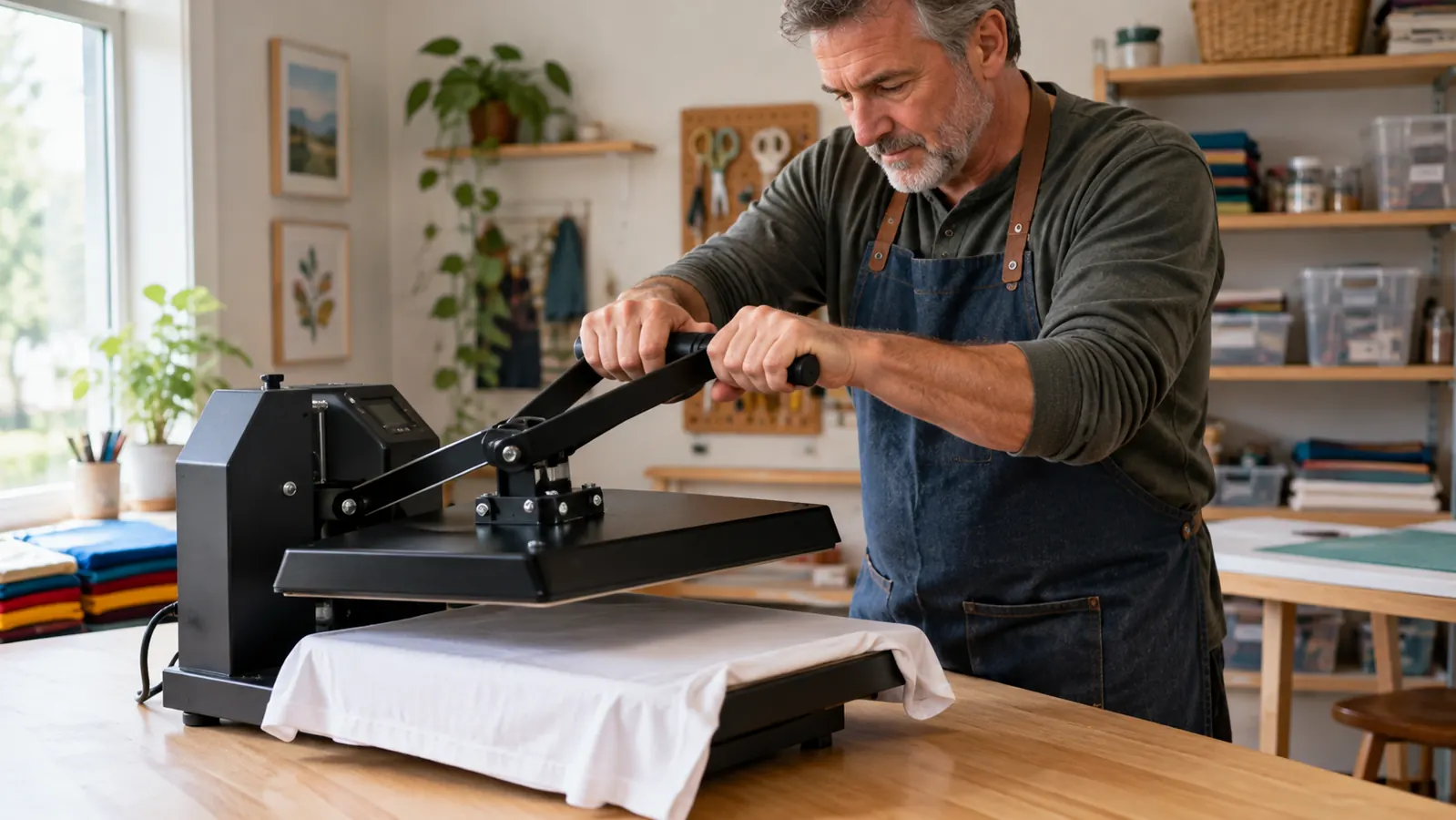
Now the part the five-star reviews skip. This is the style where the top plate swings up like a jaw, which is fine for flat things like shirts and totes. It is awkward for anything you cannot lay flat, which is why I bought a small separate mug press later. If you plan to do a lot of mugs or hats, a swing-away press might suit you better. I would not trade mine, because shirts are most of my orders, but you deserve to know the difference before you buy.
The handle takes more pressure than I expected. It is not hard, exactly, but it is a workout over an afternoon of pressing. If you have wrist trouble, try one in person before you commit. I have gotten used to it, but I notice it at the end of a long craft fair prep session.
The other thing: the safety features are basic. The press gets hot in places you learn not to touch, and there is no timer that turns the whole thing off when you walk away. You learn to be careful, and you keep the cord out of the way. None of that is unusual at this price level, but that is exactly the kind of sentence I wish someone had said to me before my first scorched shirt.
One more thing about the platen. It is flat, and it expects your blank to be flat. A shirt with a thick seam or a pocket will press unevenly unless you smooth it out first, and you need room around the press to do that smoothing. My folding table is six feet long, and I still feel crowded with a big order going. Measure your space twice, buy a longer table if you need one, and check every shirt for wrinkles and seams before you close the press. These are habits, not flaws in the machine, but they are the steps nobody mentions in the product listing.
What I Liked
- 15x15 platen covers adult shirts, youth jerseys, totes and placemats
- Simple digital controls a beginner can learn in one evening
- Heats up quickly and has held an even temperature for three years
- Has held up well through regular home use without any repairs
- Priced like a first press, not a print shop
Where It Falls Short
- Swing-up design is awkward for mugs, hats and anything curved
- Handle takes more muscle than you might expect
- No automatic shutoff, so you have to stay alert
- Plan to buy a separate thermometer to trust the temperature display
Ten degrees decides whether a transfer sticks or peels. That is why the thermometer and the notebook matter more than the brand on the box.
Who This Is For
This press is for the person who wants to make shirts for a kid's team, gifts for the church bazaar, or a few extras to sell at the fall craft fair, and who wants to start without emptying the savings account. It is for the crafter who will actually use it a few times a week, not the one who thinks owning a press will magically produce a business. It is for people like me: patient enough to press a test piece first and keep a notebook. The Fancierstudio is the press I would hand to a friend starting out.
Who Should Skip It
Skip this one if your plan is mostly mugs, hats, or anything curved. The swing-up design will fight you on every single piece, and you would be happier with a swing-away press or a dedicated mug press. There is no shame in that. It just means you need a different tool.
Also skip it if you are not ready to practice. A heat press is not a microwave. It will not fix a bad transfer, and it will not forgive a forgotten timer. If you want the fastest possible path from box to perfect shirt with zero ruined blanks, you will be disappointed by every press on the market, including this one. You have to be willing to ruin a few cheap practice shirts. I still buy a pack of plain tees to test settings before I touch a real order.
What I'd Tell a Friend Starting Out
If we were sitting at my kitchen table with coffee, here is what I would say. Buy this press if the price feels reasonable to you and you have the table space. Then buy a thermometer and a pack of practice shirts before you buy anything fancy. Write down every setting that works. Label your blanks. Never press anything important without a test piece first, and never leave the room while the timer is running, because the phone will ring at the worst possible moment.
Start with cotton tees. They are the most forgiving blank, and they will teach you the rhythm of temperature, time, and pressure. Move to totes when you are bored. Try tumblers when you are brave. And when you press your first perfect shirt, the one with no ghosting and no scorch marks, you will understand why I kept going after that third scorched one.
Ready to start with the press I still use every week?
Three years in, this Fancierstudio is still the press on my table. If you want to see today's price and current reviews, the button below goes straight to the Amazon listing.
Amazon Check Today's Price on Amazon →